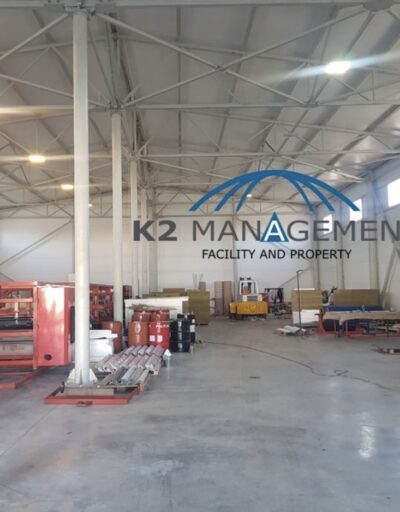
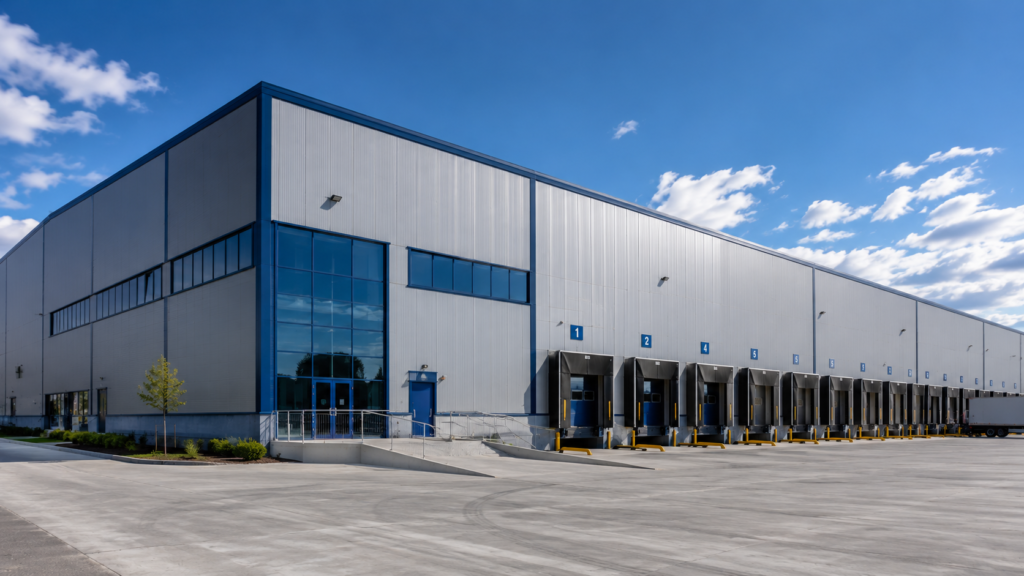
Over the past decade, the warehousing industry has undergone one of the most significant transformations in its history. Warehouses are no longer just facilities for storing goods—they have become highly sophisticated logistics hubs that play a critical role in global supply chains.
Driven by the rapid growth of e-commerce, advances in automation, artificial intelligence, and changing consumer expectations, warehouse operations have become faster, smarter, and more efficient than ever before.
From Storage Facilities to Logistics Centers
Ten years ago, the primary purpose of a warehouse was simple: safely store inventory until it was needed.
Today, warehouses perform a wide range of essential functions, including:
- Receiving and inspecting shipments;
- Inventory management;
- Order picking and packing;
- Cross-docking;
- Returns processing;
- Last-mile fulfillment;
- Real-time stock monitoring.
Modern warehouses have evolved into strategic logistics centers that directly impact customer satisfaction and business profitability.
The E-commerce Revolution
The explosive growth of online shopping has been one of the biggest drivers of change in the warehouse industry.
Consumers now expect next-day—or even same-day—delivery. To meet these expectations, retailers and logistics providers have invested heavily in warehouse infrastructure.
As a result, companies have expanded their networks with:
- Fulfillment centers;
- Urban distribution hubs;
- Regional logistics parks;
- Micro-fulfillment centers;
- Last-mile warehouses.
Today, warehouse location and operational efficiency are often as important as product quality.
Automation Has Transformed Warehouse Operations
A decade ago, most warehouse tasks relied heavily on manual labor.
Today, automation is becoming the industry standard. Many facilities now use:
- Automated conveyor systems;
- Autonomous Mobile Robots (AMRs);
- Automated Guided Vehicles (AGVs);
- Robotic picking systems;
- High-speed sorting equipment;
- Automated Storage and Retrieval Systems (AS/RS).
These technologies significantly increase productivity while reducing operational costs and human error.
Artificial Intelligence and Smart Warehousing
Artificial intelligence has become an essential component of modern warehouse management.
AI-powered systems help businesses:
- Forecast product demand;
- Optimize inventory levels;
- Improve warehouse layouts;
- Reduce picking times;
- Predict equipment maintenance;
- Allocate labor more efficiently.
Machine learning algorithms continuously analyze operational data, enabling warehouses to become smarter and more adaptive.
Higher Standards for Warehouse Facilities
Modern warehouses are designed with far more advanced specifications than traditional storage buildings.
Today’s premium warehouse facilities typically feature:
- High-clearance ceilings;
- Energy-efficient LED lighting;
- Advanced fire protection systems;
- Climate-controlled storage;
- Automated loading docks;
- Intelligent security systems;
- Warehouse Management Systems (WMS);
- Electric vehicle charging infrastructure.
Businesses increasingly prefer Class A logistics facilities that maximize operational efficiency and scalability.
Supply Chain Disruptions Changed Inventory Strategies
Global events—including the COVID-19 pandemic, shipping disruptions, geopolitical tensions, and rising transportation costs—have fundamentally changed inventory management.
Many companies have shifted from “Just-in-Time” inventory strategies toward more resilient models that maintain larger safety stocks.
As a result, demand has increased for:
- Regional distribution centers;
- Multi-country warehouse networks;
- Strategic inventory hubs;
- Flexible warehousing solutions.
Supply chain resilience has become a major competitive advantage.
Sustainability Is Becoming a Business Priority
Environmental responsibility is now an important consideration for warehouse developers and operators.
Modern logistics facilities increasingly include:
- Solar energy systems;
- Smart energy management;
- Rainwater collection systems;
- Sustainable building materials;
- Electric material handling equipment;
- Carbon footprint reduction initiatives.
Green warehouse certifications are becoming more common as companies pursue long-term sustainability goals.
Investment in Warehouse Real Estate Has Surged
Ten years ago, commercial real estate investors primarily focused on office buildings and shopping centers.
Today, logistics real estate is one of the fastest-growing investment sectors worldwide.
The expansion of global trade, manufacturing, and e-commerce has driven strong demand for modern warehouse space, leading to record levels of investment in logistics parks and industrial developments.
What the Future Holds
Industry experts expect warehouse operations to become even more intelligent over the coming years.
Key trends include:
- Greater use of AI and machine learning;
- Fully autonomous warehouse robots;
- Digital twin technology;
- Internet of Things (IoT) integration;
- Drone-assisted inventory management;
- Predictive analytics;
- Increased warehouse electrification;
- Fully automated fulfillment centers.
The warehouse of the future will rely on real-time data, automation, and connected technologies to maximize efficiency and reduce costs.
Conclusion
The warehouse industry has changed dramatically over the past ten years. What were once simple storage facilities have become advanced logistics ecosystems that support global commerce.
Automation, artificial intelligence, sustainability, and the continued growth of e-commerce will continue to shape the future of warehousing. Companies that embrace these innovations will be better positioned to improve operational efficiency, reduce costs, and meet growing customer expectations.
For the latest warehouse industry news, trends, technologies, and logistics developments from around the world, visit: https://k2cargo.news/category/warehousing/